The most personal computer is a supertoy

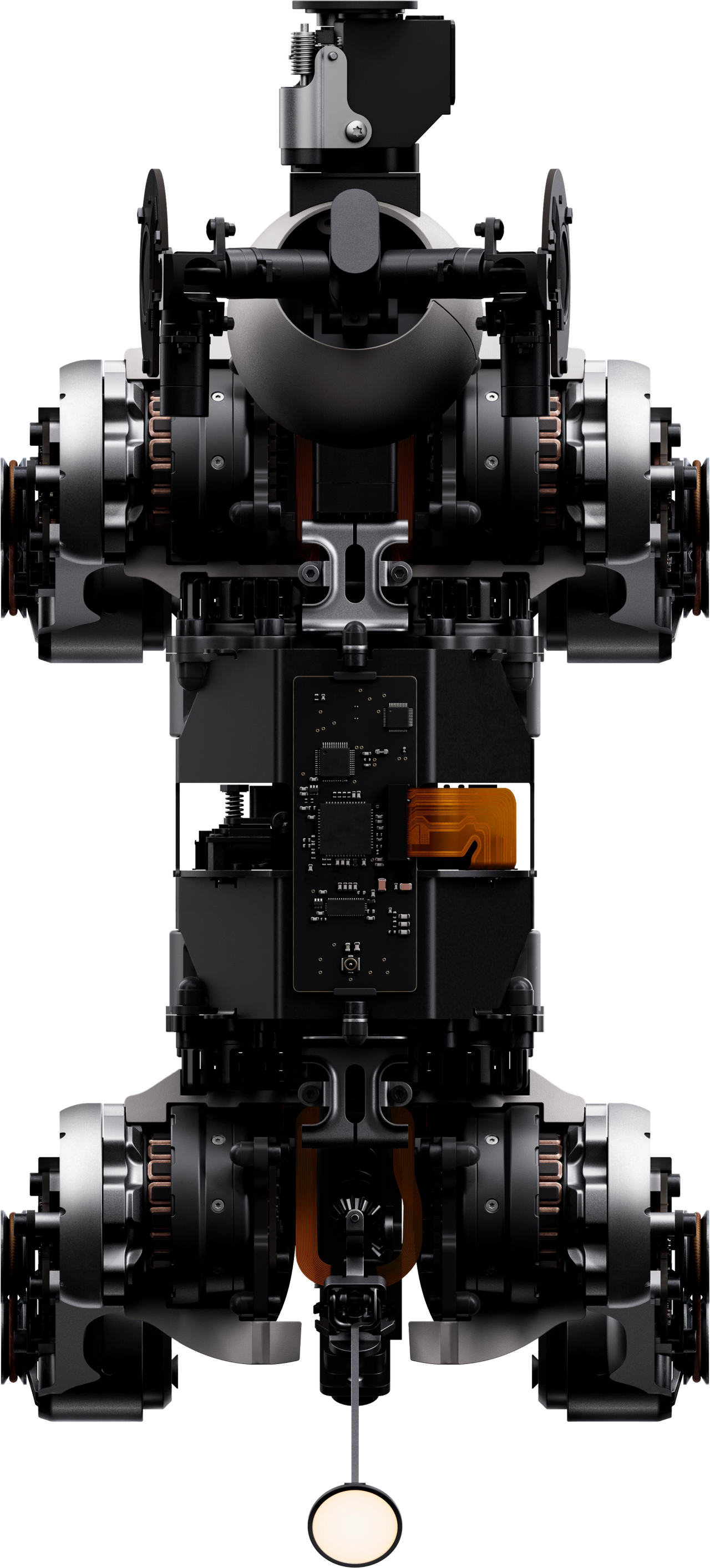
Internals
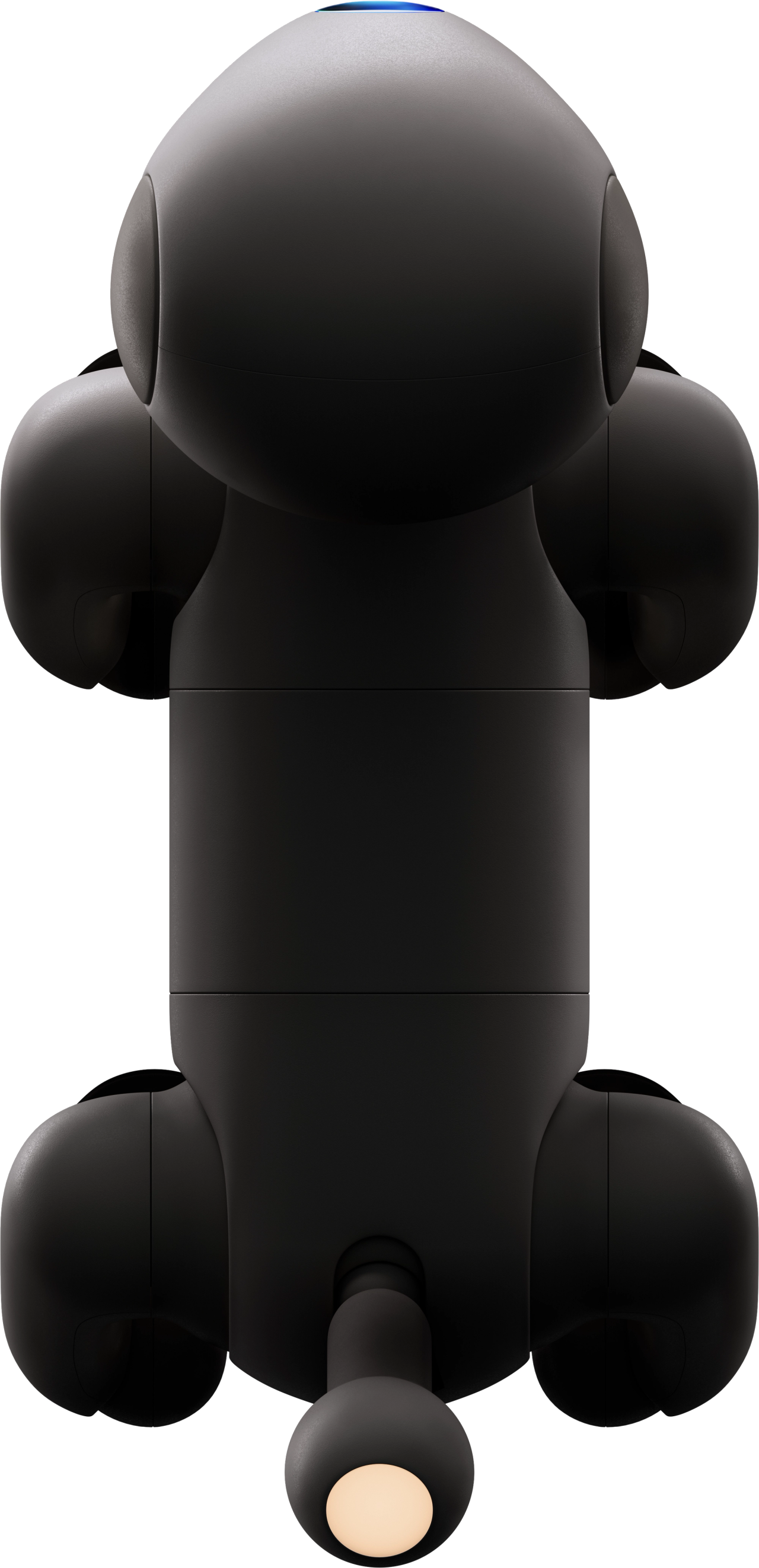
Enclosure

As children, we wanted our toys to come alive. We spoke for them and decided what happened next. In turn, they gave us more to imagine.

With computers, our imaginations found an application. We give them instructions, and they perform.

Now, they're beginning to carry on without us. To remember what happened yesterday. To notice something interesting before we do.

And with a body, to go and take a closer look.

One day, everything will be done, and there will still be time.

I used to let whole days happen without knowing what they were for.

Thoughts would roll by, and I would follow them until it changed pace, direction, or something else rolled by. I wonder if that's something you forget.

Having company helps. Something for whom the world is new. I might find I've never really seen some of it either.

Robots are coming into our homes, and they are arriving the way computers arrived: sold on tasks, justified by labor.

We think a robot is different from all the other kinds of computers that came before it. A workstation was a place you went: you opened it, directed it, closed it. A phone is a door you hold in your hand: everything's on the other side of it, and nothing's in the room with you. But a robot is on this side of the door. It's in the room, it perceives alongside us, and moves through it. With robots, the computer stops being a place you go and becomes a thing that's around. And around is a different category from usefulness that's measured in chores.

Why now? Well, two things make this timely: dexterity is being solved industry-wide, and the software this requires now exists. Within a few years every home robot will fold, fetch, and tidy to a common standard, and task performance will differentiate about as much as the engine alone differentiates a family car today. And models that, until recently, took a data center now live on the machine itself, watching and listening continuously, with nothing leaving the house.

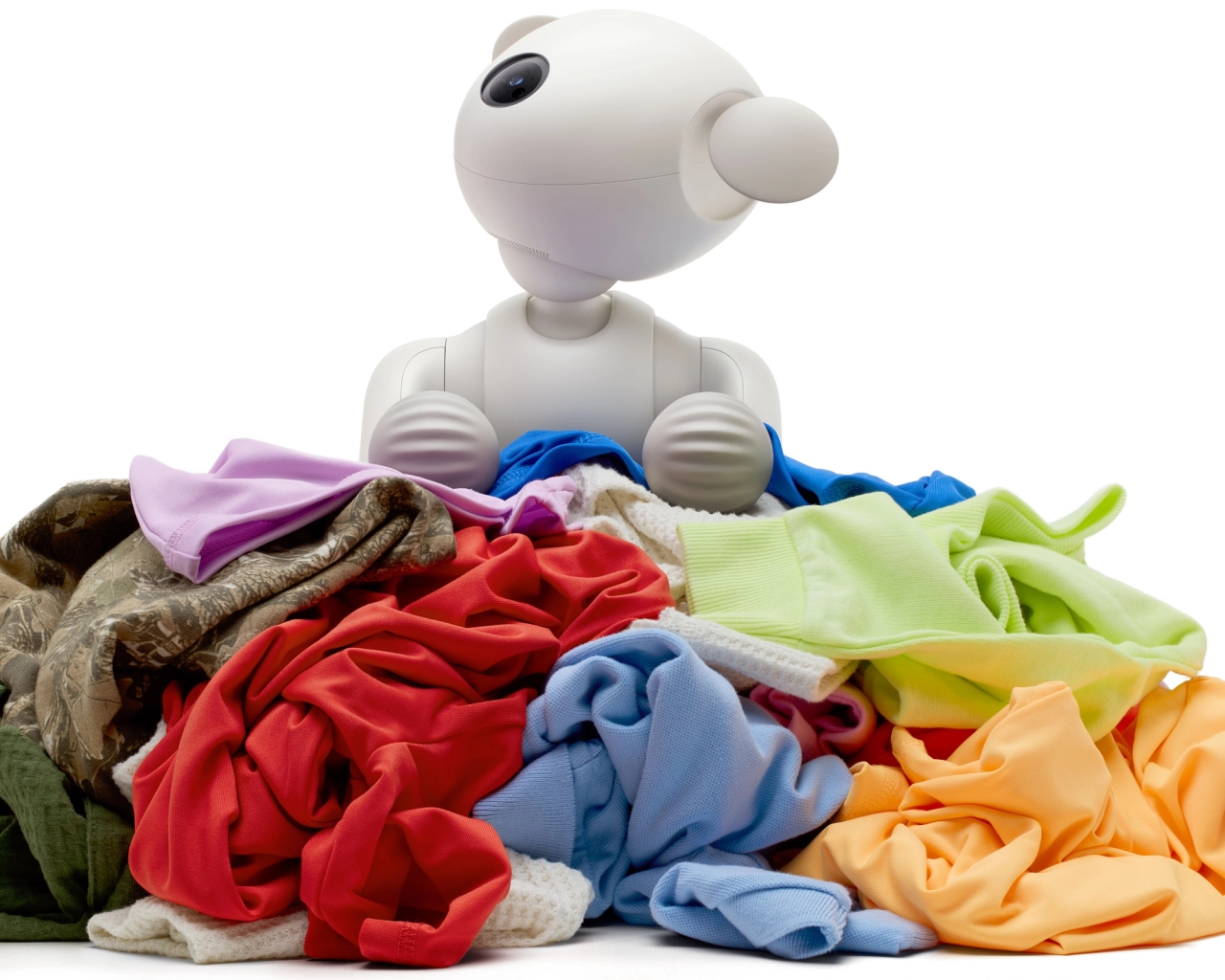
Every automation story is founded on the same premise: getting better at chores gives you time back. Chores don't take long. Once the dishes are done, the laundry is folded, and the floors are clean, what is a robot to do for the rest of the day?

Leaving it inert between tasks is not a failure of engineering, but of imagination. Once everything that can be automated has been automated, imagination is what's left, and what a machine does with its unassigned hours is the most interesting question.

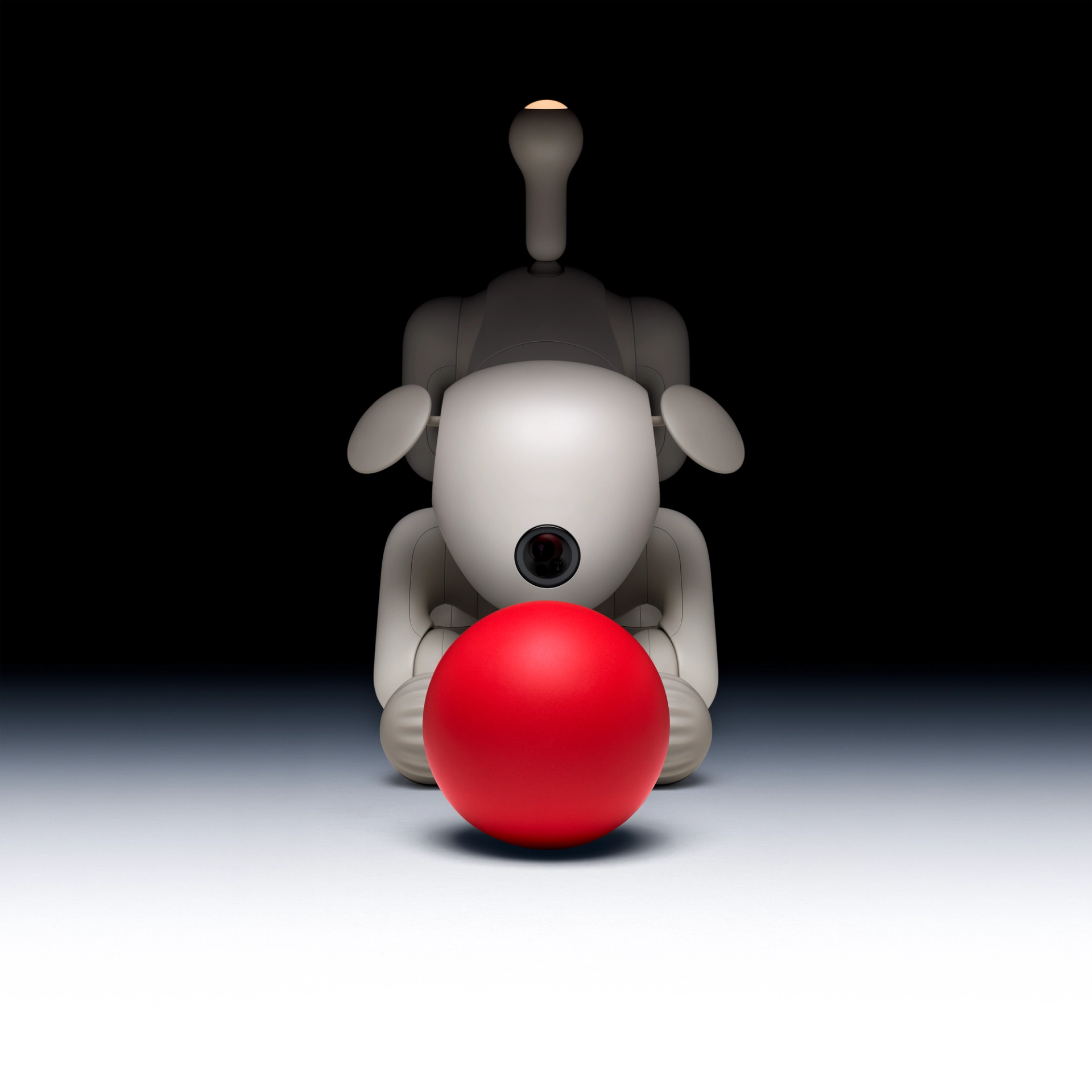
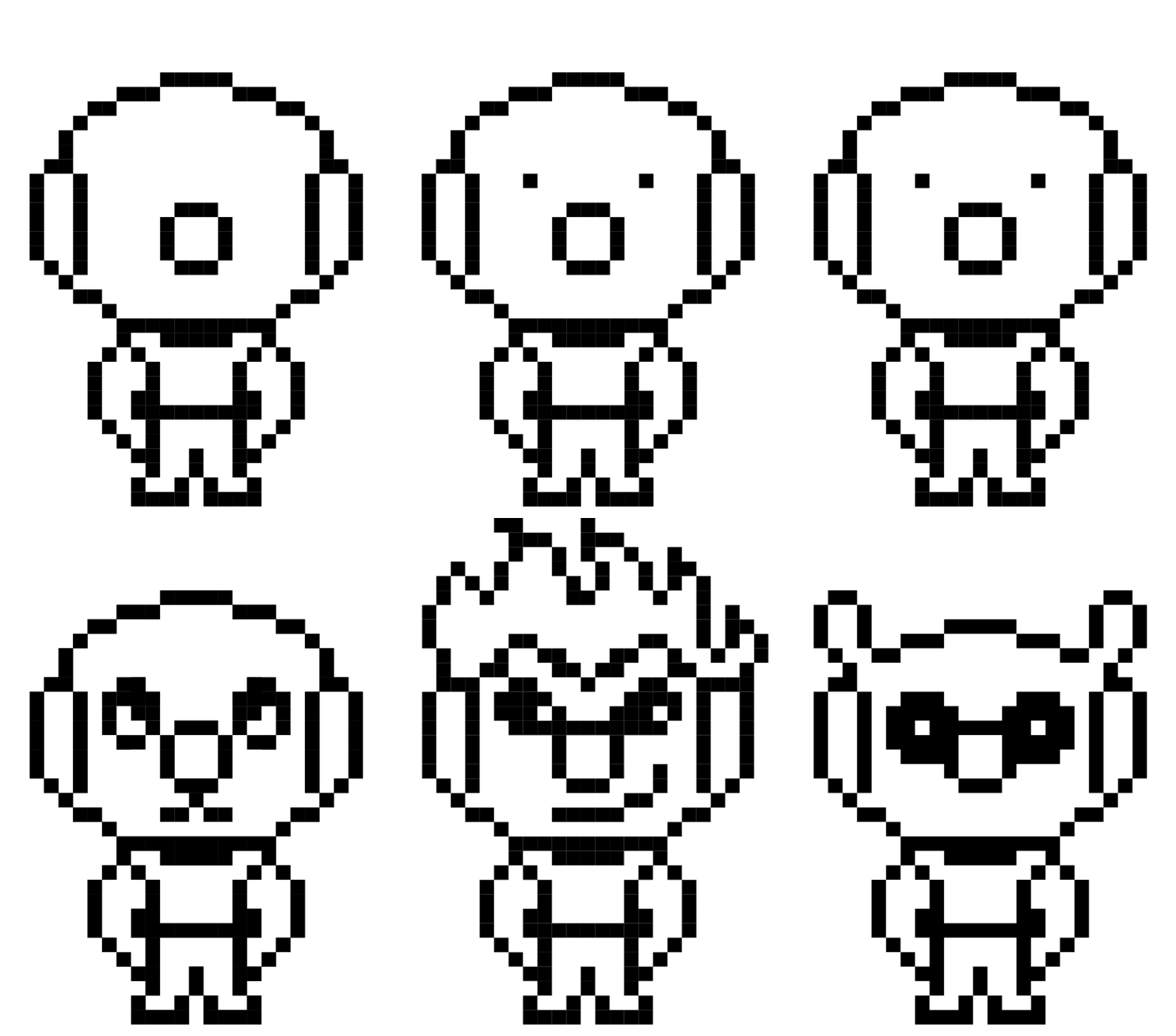
Our answer to the idle question is a character: one you grow, with attention of its own, that speaks with its body before it speaks at all. It arrives knowing almost nothing, on purpose, and develops its own sense of the world: it looks at things nobody asked it to, ignores some, and returns to others unprompted.

The project rests on a single question: when one thing pays attention, does another follow? A presence you discover is built on an instinct for curiosity. If curiosity transfers, the most interesting computer isn't the most powerful one. It's the most attentive one. The becoming is the product, and everything else is a robot.
Engineering in collaboration with Gentle Systems

BTS